30+ years in the industry
 Manufactured by us
 100% Natural Wood
 Next Day Delivery Available
Article, January 5, 2026
Engineered Wood Free Samples: Tips for Choosing the Best Style
Choosing a new floor can feel like a daunting task, especially when photographs on a screen rarely show the full natural beauty of real wood. That is exactly why engineered wood samples are so valuable. They let you see colours, grain, and natural features in your own home, under your own light, next to your furniture, before you commit. At Natural Wood Floor, our wood flooring samples are designed to make that decision clearer, calmer, and far more confident.
This guide explains how to use engineered wood flooring samples well, what to look for when comparing flooring options, and how to pick a style that suits your room, budget, and day-to-day life.

Why engineered wood flooring is a popular choice
Engineered wood flooring combines the look and feel of solid wood with a structure built for stability. Each board has a top layer of real wood, often oak or walnut, bonded to multiple layers of plywood beneath. Because the layers are laid in different directions, engineered wood is far less likely than solid wood to expand, contract, or warp with temperature changes, moisture, or humidity. That makes it a reliable choice for modern homes, including larger spaces, flats, and rooms with underfloor heating.
Engineered wood flooring is also often slightly cheaper than solid wood of the same species, while still delivering a durable, hard-wearing surface that can be refinished depending on layer thickness. For many homeowners, it is the best balance of performance, cost, and natural character.
What a free sample really tells you
Engineered wood flooring samples are more than a colour swatch. A proper sample shows you the wood species, the plank width, the grain pattern, and the finish, whether that is matt lacquer, natural oil, or a stained surface. It also lets you feel the texture underfoot and judge the overall quality of the board.
When you order samples, you are testing how the floor will look in your space. Real wood varies naturally, so samples help you understand the range of subtle tones, knots, and natural features you can expect, rather than assuming every plank will look identical.
The Natural Wood Floor Company offers advice on fitting and lets customers order wood flooring samples online so you can compare a few products side by side without pressure.
Step one: test wood samples in the right place
A sample will look different in a dining room compared with a hallway or a smaller room. Light direction, window size, and even wall colour change how wood appears. Place your engineered wood flooring samples flat on the floor in the room you are renovating, then check them at different times of day. Morning light, afternoon warmth, and evening artificial light each highlight grain and colour differently. This helps you avoid surprises once the full floor is installed.
If possible, put samples near fixed elements such as kitchen units, sofas, or dining furniture, so you can see how the tones and grain suit your existing style.
Step two: think about plank size and room scale.
Plank width and length influence how a room feels. Wider boards can make larger spaces feel more expansive and calm, while short planks or narrow boards can suit smaller rooms or period properties where you want a more traditional rhythm. A sample is your best clue here, because it shows both width and visual weight in real life.
If you are choosing open-plan spaces, look for boards that create continuity without overwhelming the room. If you are fitting a compact hallway or study, a slightly narrower plank may feel more balanced.
Step three: Compare finishes properly.
Finish affects both look and maintenance. A matt lacquer finish tends to be hard-wearing and makes cleaning simple, which is useful in busy family homes. Natural oils highlight the natural character and grain of wood, but they may need more regular maintenance. Stains introduce darker or warmer colours, but they may also make scratches more obvious depending on the shade.
Use your flooring samples to see how each finish performs under your lighting and with your decor. It is also worth considering how much upkeep you are comfortable with. The right flooring is not just the most attractive one today but the one you are happy to live with long-term.
Step four: Check the top layer and overall thickness.
Not all engineered wood is built the same. Layer thickness refers to both the top layer, the real wood wear layer, and the total board thickness. A thicker top layer usually means a thicker product overall and more ability to refinish in the future. Total thickness, on the other hand, affects stability and the feel underfoot.
This becomes an important factor if you are installing underfloor heating. In most cases, boards in the 10 to 15 mm range transfer heat efficiently while still being stable, as long as the top layer is robust enough for normal household use. Your installer can confirm what is best for your heating system, but samples give you a sense of board build quality before you invest.
Step five: match species to lifestyle
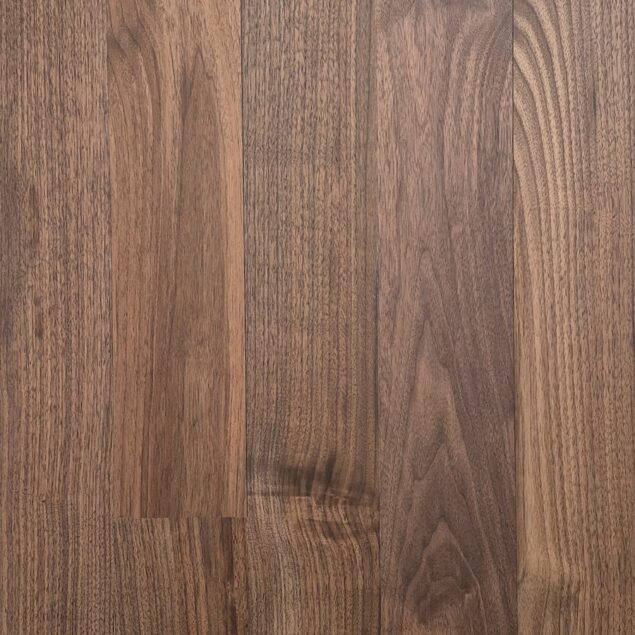
Oak remains the most popular choice for engineered wood because it is durable, suits many styles, and offers a huge range of colours and grain patterns. Walnut is richer and darker, which can look striking in modern interiors but may show dust and scratches more readily. Other hardwood species vary in hardness and natural movement. What looks beautiful on a sample will still need to work for your home’s practical needs.
If you have pets, children, or heavy foot traffic, pick a species and finish that can handle scratches and daily wear. Engineered wood is durable, but the exact performance depends on the surface wood and finish.
Step six: Be realistic about variation.
Engineered wood is a natural product. Even within the same batch, boards will vary in grain, knotting, and tone. A sample cannot show every variation, but it can give a better idea of the overall character.
When choosing samples, aim to decide whether you like the natural range rather than searching for a single perfect plank. If you love natural features and bold grain, a character-grade sample will feel right. If you prefer subtle tones and a cleaner look, select a more refined grade.
Step seven: Consider where engineered wood works best.
Engineered wood can typically be used throughout your home, including living areas, bedrooms, dining rooms, kitchens and bathrooms, provided you follow fitting guidance and protect against standing water. So bathrooms and persistently wet areas may need some additional protection or maintenance.
If you are renovating a flat or a home with changing temperatures, engineered wood’s stable core helps it cope far better than solid wood. This is one of the reasons it is frequently chosen as the right flooring for modern builds and busy households.
Final thoughts
Engineered wood samples are the smartest way to choose a floor with confidence. They help you judge colour, grain, plank size, finish, and quality under your own light and alongside your own furniture. When you take time to compare engineered wood flooring samples properly, you make a choice that is not only stylish but also durable, stable, and right for the way you live.
If you are ready to explore the range, The Natural Wood Floor Company makes it easy to order samples so you can find the best engineered wood flooring style for your home, without guesswork.