Article, February 3, 2026
Do You Need an Underlay for Engineered Wood Flooring? Explained
Underlay is one of those details that can feel optional when you are choosing new flooring, yet it has a real impact on comfort, performance, and longevity. If you are installing engineered wood flooring, the answer to whether you need underlay is not a simple yes or no. It varies depending on your subfloor, the installation method, and whether you have underfloor heating. The right flooring underlay can improve sound reduction, add thermal insulation, and protect engineered planks from moisture, while the wrong choice can block heat transfer or lead to movement and noise.
At Natural Wood Floor, we regularly guide homeowners through this decision so that the finished floor looks right, feels right, and performs as the manufacturer intended. Here is a clear explanation of when underlay is essential, when it is optional, and what key considerations matter most.
Why does underlay exist in the first place
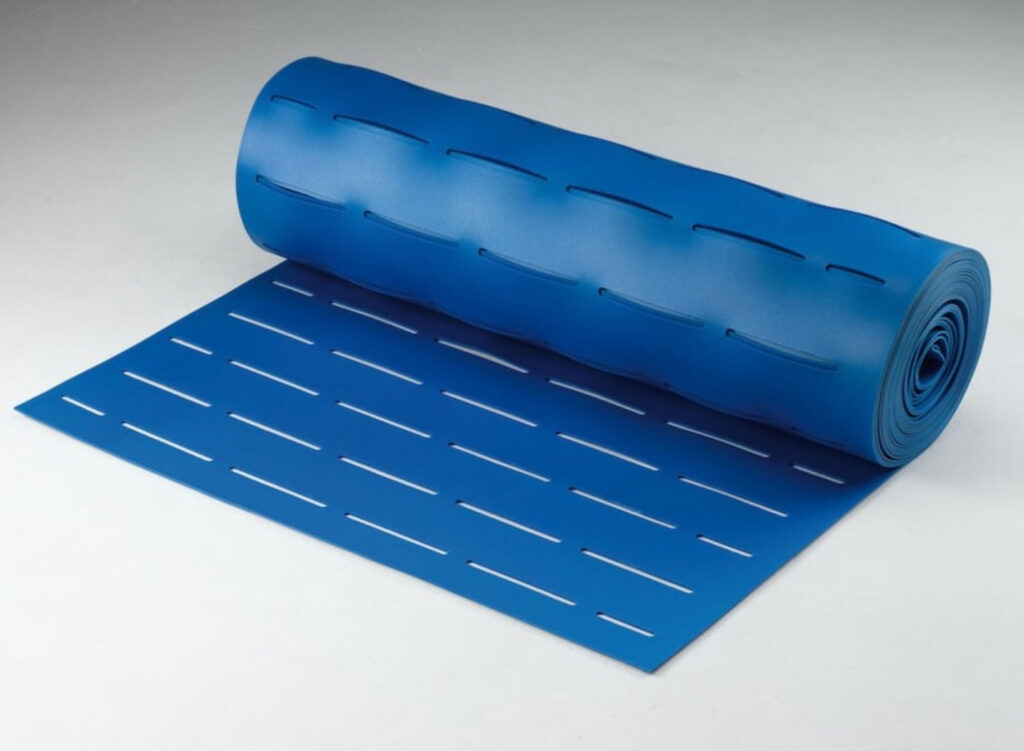
Flooring underlay sits between your engineered flooring and the subfloor. Its role is to create a stable, forgiving layer that supports floating floors, improves comfort underfoot, and adds insulation benefits. In engineered wood flooring, underlay is commonly chosen for three main reasons. It helps reduce noise through acoustic insulation, it can add heat insulation or thermal insulation, and it protects against moisture through a vapour barrier or moisture barrier.
Engineered wood is a real wood product, so although it is more stable than solid wood flooring, it still reacts to moisture content and temperature changes. Underlay helps manage those risks when used correctly.
The installation method decides a lot.
The first question is how you are installing engineered wood flooring. If you are using a floating installation, also called the floating floor method, underlay is normally essential. Floating floors are not fixed to the subfloor. The boards click or glue together and sit as one continuous surface. Underlay provides a thin layer of cushioning that stops the floor from rubbing against the subfloor, reduces hollow sounds, and supports the locking joints. Without it, floating engineered planks can feel noisy underfoot and may wear faster at the joints.
If you are fully glueing engineered wood to the subfloor, underlay is usually not used. The adhesive itself provides stability and sound dampening, and adding a soft underlayment would interfere with the bond. In glue-down installations, moisture protection is handled through damp-proof membranes or primers rather than conventional underlay.
Underlay over concrete subfloors.
Concrete subfloors are common in flats and newer builds, and they introduce the biggest moisture risk. When installing engineered wood flooring over concrete, you nearly always need a moisture barrier, either built into the underlay or added as a separate vapour barrier layer with vapour tape. Concrete can release moisture for years, and even low-level vapour transfer can cause cupping or gapping in wood flooring.
For floating floors over concrete, this means choosing an underlay that includes a damp-proof membrane. For glue-down floors, it means using the correct moisture protection system recommended by your installer or supplier. Either way, moisture protection is not optional on concrete.
Underlay over timber subfloors
Timber or plywood subfloors behave differently. They are more breathable and less likely to push moisture upwards, so the underlay choice here is often driven by sound insulation and comfort.
If your engineered floor is floating over timber, underlay is still recommended for noise reduction and smoothness, particularly in upstairs rooms. If the floor is glued down, underlay is again typically unnecessary, although acoustic mats may be specified in some flats to meet lease or building sound reduction benefits.
Underlay and underfloor heating
Underfloor heating changes the rules. Engineered wood flooring is compatible with most underfloor heating systems because of its stable multilayer build, but the underlay must allow heat to pass through efficiently. A thick foam underlay designed for laminate flooring can act like a blanket and reduce heating performance.
If your floor is floating over an underfloor heating system, you need an underlay that is thin, low tog, and usually includes a vapour barrier when laid on concrete. The goal is heat transfer with enough stability and sound reduction to keep the floor comfortable and quiet.
Your heating surface temperature should also remain within manufacturer limits, typically below 27 degrees, which installers will check as part of the installation process.
What type of underlay should you choose?
The best underlay depends on your specific requirements. For concrete subfloors, prioritise a moisture barrier and sound reduction. For timber subfloors, prioritise acoustic insulation and comfort. For underfloor heating, prioritise low thermal resistance.
Common engineered flooring underlay materials include foam, cork, rubber composite, and wood fibre boards. Cork and rubber blends often provide strong sound reduction benefits while staying relatively stable, while specialist low tog foam products are widely used with underfloor heating.
The key is choosing an underlay made for wood flooring, not one intended only for laminate or vinyl, because engineered wood has different movement and support needs.
Common mistakes to avoid
In our experience, the most common mistakes are using the wrong underlay for the flooring type, skipping a vapour barrier over concrete, and choosing a thick underlayment on underfloor heating. Another mistake is underestimating the importance of subfloor preparation. Underlay is not a fix for an uneven surface. The subfloor must be clean, dry, and level before laying new flooring; otherwise, the engineered boards will flex and creak regardless of what is underneath.
So, do you need an underlay for engineered wood flooring?
If you are installing engineered wood as a floating floor, you almost always need underlay. It supports the locking system, improves sound insulation, and increases comfort underfoot. If you are glueing engineered wood down, you usually do not need underlay, but you may need a moisture protection system over concrete or an acoustic layer in certain flats.
The right answer comes from matching underlay to your subfloor, your heating setup, and your installation method, not from a one-size-fits-all rule.
Final thoughts
Underlay is a small part of the installation cost, but it plays a big role in how engineered wood flooring performs over time. It can improve noise reduction, add thermal insulation, and protect against moisture, provided you choose the right product for your subfloor and underfloor heating system. If you are unsure, we recommend checking your product specification and speaking to your installer before you place the order.
Natural Wood Floor can advise on suitable underlay choices across our engineered wood range, helping you avoid common mistakes and get the best result from your new floor.