Article, March 13, 2026
What Is a Floating Wood Floor? A Complete Beginner’s Guide
A floating wood floor is one of the most popular installation methods used for engineered wood flooring in modern homes. Instead of being fixed directly to the subfloor with nails or adhesive, the boards connect to each other and rest on top of the existing floor surface.
This installation system allows the floor to “float” above a layer of underlay, creating a stable surface that can naturally expand and contract as temperature and humidity levels change.
For homeowners planning a new wood floor, understanding the floating installation method is essential. The way a floor is installed affects comfort underfoot, compatibility with underfloor heating, long-term durability and installation costs. In this guide, we explain how floating wood floors work, when they are suitable and why engineered wood flooring is often the best material for this installation method.
What Is a Floating Wood Floor?
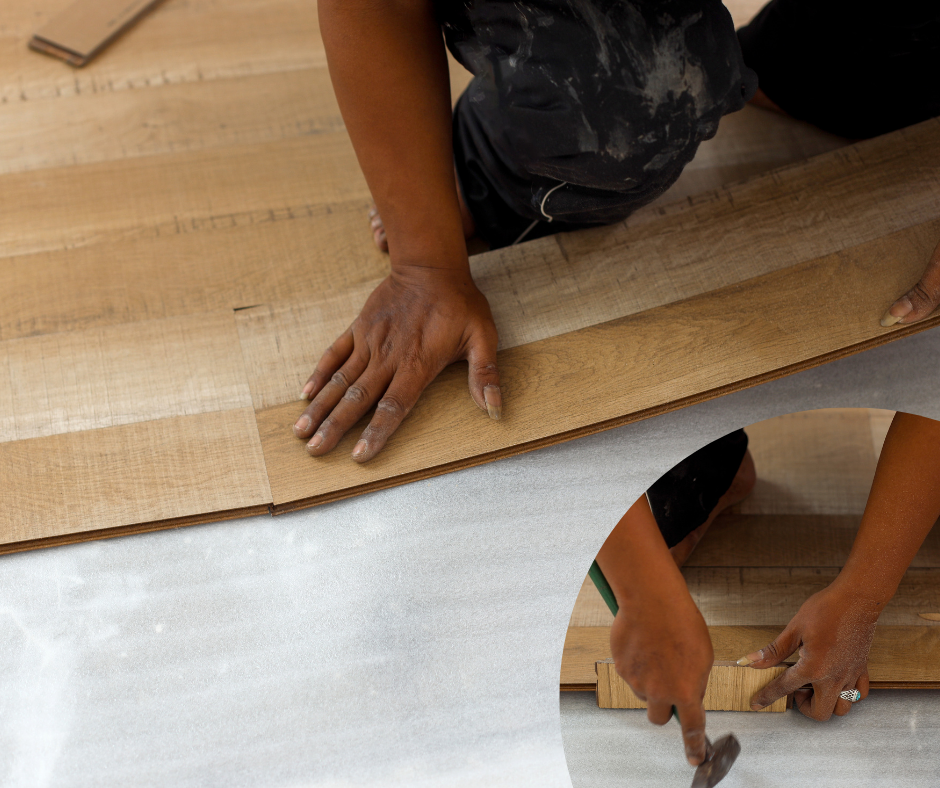
A floating wood floor is a floor that is not permanently attached to the subfloor. Instead, individual boards are connected together using a locking system such as a click joint or tongue-and-groove profile.
Once installed, the entire floor sits on top of an underlay rather than being nailed or glued down. Because the boards are joined together, the floor moves as a single surface while remaining free from the structure beneath it.
This approach allows the flooring to adapt to small changes in humidity and temperature without causing stress on the boards.
Floating floors are most commonly used with engineered wood flooring, which is specifically designed to provide improved stability compared with traditional solid wood flooring.
Why Engineered Wood Flooring Works Best
Engineered wood flooring is constructed from several layers of timber bonded together. The top layer is genuine hardwood, while the core layers provide strength and structural stability.
This layered construction reduces movement caused by moisture or temperature changes, making engineered flooring particularly well suited to floating installation.
Compared with solid wood, engineered boards are:
• more dimensionally stable
• suitable for modern heating systems
• compatible with a wider range of subfloors
For this reason, most floating wood floors installed today use engineered oak or similar hardwood species.
How the Floating Installation Method Works
Installing a floating wood floor begins with preparing the subfloor. Whether you are installing over concrete, floorboards or an existing floor surface, the base must be clean, dry and level.
Once the subfloor is prepared, the installation typically follows these steps:
1. Install Underlay or Vapour Barrier
A layer of underlay is placed across the entire floor area. This layer provides cushioning, improves acoustic performance and helps correct minor subfloor imperfections.
When installing over concrete, a vapour barrier or damp-proof membrane may also be required to prevent moisture from reaching the boards.
2. Connect the Boards
Floorboards are then connected edge-to-edge using their locking system. Depending on the product, this may be a click-lock mechanism or a tongue-and-groove joint.
Because the boards lock together, the floor forms a stable floating surface.
3. Leave Expansion Gaps
Expansion gaps are left around the perimeter of the room, including along walls, skirting boards and door frames. These small gaps allow the floor to expand naturally as environmental conditions change.
Floating Floors and Underfloor Heating
Floating wood floors are often chosen for homes with underfloor heating. Because the boards are not fixed directly to the subfloor, the system allows the flooring to respond naturally to heat changes.
Engineered wood flooring performs particularly well in this situation due to its layered construction, which helps minimise movement compared with solid wood.
To ensure the best results, it is important to:
• follow recommended heating guidelines
• increase temperature gradually
• use suitable underlay designed for heated floors.
• ensure moisture levels are within recommended limits
When installed correctly, floating engineered wood flooring can provide a comfortable and efficient surface above underfloor heating systems.
Floating vs Glue-Down Installation
Floating installation is only one method used for engineered wood flooring. Another common approach is glue-down installation, where boards are bonded directly to the subfloor using adhesive.
Both methods have advantages depending on the project.
Floating Installation
Floating floors are typically:
• faster to install
• more cost-effective
• easier to repair or replace boards
• suitable for many residential spaces
Glue-Down Installation
Glue-down floors:
• create a more solid feel underfoot
• reduce movement and sound
• are often preferred for larger spaces or commercial projects
The best installation method depends on the subfloor type, room size and flooring product being used.
The Importance of Underlay
Underlay plays a critical role in the performance of a floating wood floor. A good quality underlay can improve comfort, reduce noise transmission and provide thermal insulation.
Some underlays also include a built-in vapour barrier, which is especially important when installing flooring over concrete subfloors.
Selecting the correct underlay helps protect the flooring and ensures long-term stability.
Is a Floating Wood Floor the Right Choice?
Floating wood floors offer several advantages for modern homes. They are relatively quick to install, adaptable to different subfloors and compatible with underfloor heating systems.
However, successful installation depends on careful preparation. The subfloor must be level, moisture levels must be controlled and expansion gaps must be included around the room.
When installed using high-quality engineered wood flooring and the correct underlay, a floating floor can provide a durable and attractive surface for living rooms, bedrooms and open-plan spaces.
Choosing the Right Engineered Wood Flooring
Selecting the right flooring is just as important as choosing the installation method. High-quality engineered wood flooring combines the natural beauty of real timber with the structural performance needed for modern interiors.
Homeowners can choose from a wide range of finishes, plank widths and wood tones to complement their space.
Expert guidance can also help determine whether floating, glued or fixed installation methods are best suited to the project.
Conclusion
A floating wood floor is a versatile installation method that combines convenience with the timeless appeal of real wood flooring. By connecting boards together rather than fixing them directly to the subfloor, floating floors allow natural movement while creating a durable and stable surface.
Engineered wood flooring is particularly well suited to floating installation thanks to its layered construction and improved stability. When installed correctly with the right underlay and preparation, floating floors provide a practical and elegant solution for modern living spaces.
For expertly crafted engineered wood flooring designed to perform beautifully in contemporary homes, explore the collections available at Natural Wood Floor, where quality materials and expert guidance come together.