Article, May 29, 2026
Is Engineered Hardwood Waterproof, or Can It Be Damaged by Water?
Engineered wood flooring is widely regarded as a durable and stable alternative to solid wood floors, offering the natural beauty of real wood with improved performance in modern homes. However, one of the most common questions homeowners ask is whether engineered hardwood is waterproof or whether it can still suffer water damage.
Understanding how engineered wood behaves when exposed to moisture is essential when selecting flooring for kitchens, bathrooms, dining rooms, or high-traffic areas.
Is Engineered Hardwood Waterproof or Water Resistant?
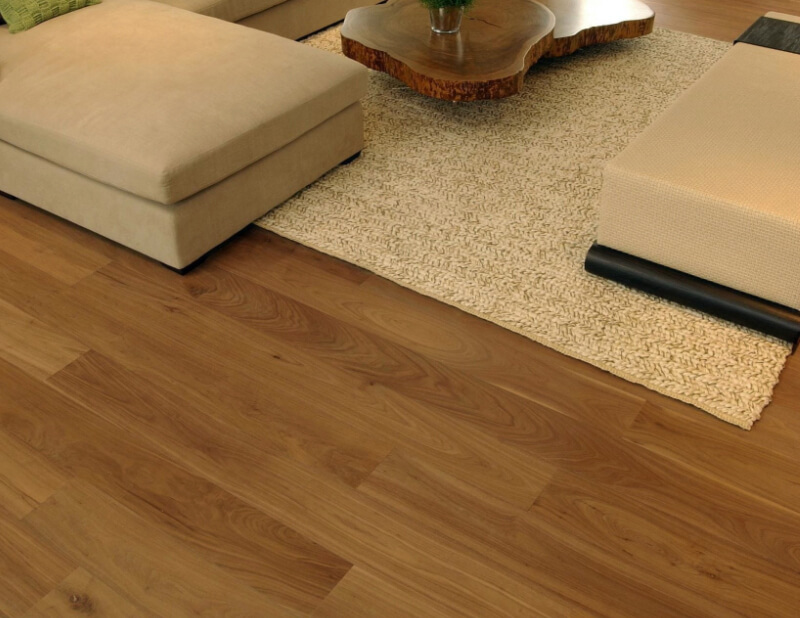
Engineered hardwood flooring is best described as ‘water resistant’ rather than ‘waterproof’. Because the surface is made from real wood, it will naturally react to excessive moisture over time.
What makes engineered flooring more suitable for modern homes is its construction and protective surface finish. Unlike solid wood, engineered boards are built in layers, which helps reduce movement caused by changing temperatures and humidity levels. This gives the floor greater stability throughout the home.
More importantly for everyday use, the finish applied to the surface provides protection against spills, splashes, and general wear. While engineered wood can comfortably handle normal household moisture, prolonged exposure to standing water should still be avoided.
In most homes, engineered wood flooring performs extremely well in living rooms, bedrooms, dining rooms, hallways, and kitchens when properly maintained.
How the Finish Protects Engineered Wood Flooring
The finish applied to engineered hardwood flooring plays a major role in how resistant the floor is to moisture, stains, and everyday wear.
Different finishes create different levels of protection and also influence the overall appearance and feel of the floor.
Lacquered Engineered Wood Flooring
Lacquered engineered wood flooring has a protective coating that sits on top of the wood surface. This creates a sealed barrier that helps resist spills and prevents moisture from penetrating the timber too quickly.
Because of this sealed finish, lacquered floors are often a popular choice for busy households, kitchens, and high-traffic areas where easy cleaning and durability are priorities.
Lacquered finishes also tend to offer a smoother appearance and are generally lower maintenance in day-to-day use.
Oiled Engineered Wood Flooring
Oiled engineered wood flooring offers a more natural appearance by allowing the texture and grain of the wood to remain more visible and tactile.
Instead of forming a surface layer, oil penetrates into the wood itself, helping protect the timber while maintaining a softer, more natural finish.
Oiled floors still provide good moisture resistance when properly maintained, although they typically require more regular care than lacquered finishes. One of the key benefits is that smaller scratches or worn areas can often be repaired locally without refinishing the entire floor.
Why Finish Maintenance Matters
Even the most durable finish will gradually wear over time, especially in busy areas of the home. Regular cleaning and proper maintenance help preserve the floor’s resistance to moisture and keep the protective finish performing effectively.
Using suitable wood floor cleaning products and avoiding excessive water during cleaning will help maintain both the appearance and longevity of the floor.
Can Engineered Hardwood Be Damaged by Water?
Although engineered wood flooring is more moisture resistant than solid hardwood, it can still be damaged if exposed to excessive water for prolonged periods.
Everyday spills are usually not a problem when cleaned promptly. However, standing water can eventually seep into the seams between boards and affect the wood beneath the surface finish.
Over time, excessive moisture exposure may lead to:
- Swelling around board edges
- Warping or lifting
- Discolouration
- Damage to the surface finish
- Delamination between layers
Bathrooms, utility rooms, and poorly ventilated spaces naturally carry a higher moisture risk, which is why proper fitting and maintenance are especially important in these areas.
Is Engineered Wood Suitable for Kitchens and Bathrooms?
Engineered wood flooring can typically be used throughout the home, including kitchens and bathrooms, provided the flooring is fitted correctly and protected from prolonged standing water.
Its improved stability makes it far better suited to these environments than traditional solid wood flooring. Good ventilation, careful sealing, and prompt cleaning of spills all help maintain the floor’s appearance and performance over time.
In kitchens, engineered wood offers a practical way to bring warmth and natural texture into the space while still providing durability for everyday family life.
Bathrooms require a little more care because of higher humidity levels and regular water exposure. Choosing a high-quality finish and ensuring the room is well-ventilated can help protect the floor long-term.
As with any real wood flooring, avoiding persistent moisture is essential.
How to Protect Engineered Wood Flooring from Moisture
A few simple maintenance habits can significantly extend the lifespan of engineered wood flooring and help preserve its finish.
Clean Spills Quickly
Wipe up water and spills as soon as possible to prevent moisture from sitting on the surface or entering the seams between boards.
Avoid Excess Water When Cleaning
Wood flooring should never be soaked during cleaning. Use a lightly damp mop rather than excessive water.
Use Suitable Cleaning Products
Harsh chemicals can damage protective finishes over time. Always use products recommended for engineered wood flooring.
Maintain Ventilation
Good airflow helps regulate humidity levels, particularly in kitchens and bathrooms where moisture levels fluctuate more frequently.
Protect High-Traffic Areas
Rugs, mats, and felt pads beneath furniture can help reduce wear and protect the finish from unnecessary damage.
Why Engineered Wood Performs Better Than Solid Wood
Solid hardwood flooring is made from a single piece of timber, which means it naturally expands and contracts more significantly as humidity and temperature levels change.
Engineered wood flooring is designed to reduce this movement, making it a more stable option for modern homes and open-plan living spaces.
This added stability is one of the reasons engineered flooring is often preferred for areas with underfloor heating or rooms where moisture levels vary throughout the year.
While no real wood floor is entirely waterproof, engineered wood is generally better equipped to cope with the demands of everyday living.
Conclusion
Engineered hardwood flooring is not completely waterproof, but it is highly water resistant when properly finished, installed, and maintained.
The protective surface finish plays a major role in defending the floor against everyday spills, humidity, and general wear. Whether you choose a lacquered or oiled finish, proper care will help preserve the natural beauty and long-term performance of the floor.
With the right maintenance, engineered wood flooring offers a durable and practical solution for modern homes, bringing the warmth and character of real wood into living rooms, kitchens, bedrooms, dining spaces, and even bathrooms.
At Natural Wood Floor Company, our expertly crafted engineered wood flooring is designed to combine timeless aesthetics with lasting performance for every room in the home.